
Exploring the World’s Wolves: Understanding Gray, Arctic, and Red Wolves
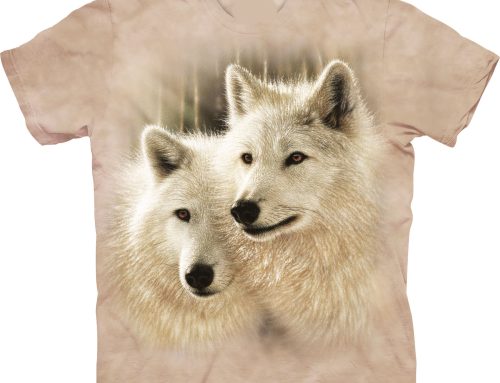
Most people picture wolves as one kind of animal, but the truth is far richer. You might not realize how distinct gray wolves, Arctic wolves, and red wolves really are—their habitats, behaviors, and roles differ more than you expect. This post breaks down the main types of wolves and what makes each species unique, helping you see these canids in a whole new light. Check out this wolf shirt to feel closer to these incredible creatures.
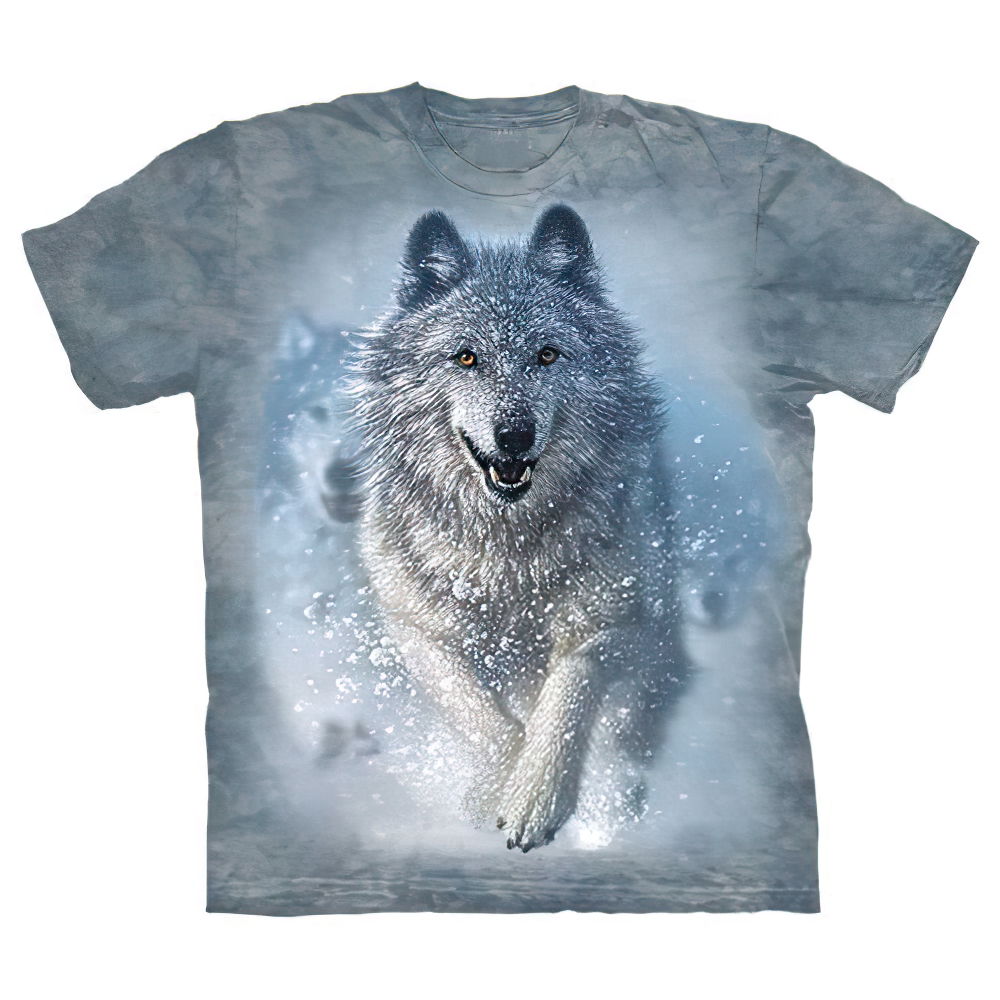
Check out our huge selection of animal t-shirts
Understanding Wolf Species
Wolves are fascinating creatures with distinct species roaming different parts of the world. Each type has unique traits that set it apart.
Gray Wolves: The Iconic Canids
Gray wolves are perhaps the most well-known of all wolf species. They inhabit a variety of terrains, from forests to grasslands. Their adaptability allows them to thrive in diverse environments. These wolves are social animals, known for living in packs that can range in size but usually consist of a family group. They communicate using vocalizations like howls and body language. Understanding gray wolves gives you insight into how these canids have survived for centuries, maintaining their status as a symbol of the wild.
Arctic Wolves: Resilient Survivors
Arctic wolves live in the harsh conditions of the Arctic tundra. Their thick fur and unique body structure help them withstand freezing temperatures. Unlike their gray counterparts, Arctic wolves often have smaller pack sizes due to the sparse availability of prey. They primarily hunt muskoxen and Arctic hares, showcasing their adaptability to the limited resources of their environment. Observing Arctic wolves reveals how life can persist even in the most extreme climates.
Red Wolves: A Conservation Challenge
Red wolves are one of the rarest wolf species, living primarily in the southeastern United States. They face significant challenges due to habitat loss and hybridization with coyotes. Conservation efforts focus on increasing their populations and protecting their habitats. Red wolves are slightly smaller than gray wolves, with distinctive reddish fur that sets them apart. Understanding the plight of red wolves highlights the critical need for conservation strategies to ensure their survival.
Unique Adaptations of Wolves
Each wolf species has developed adaptations that help them survive in their specific habitats. Their differences are as intriguing as their similarities.
Habitat and Range Variations
Wolves have adapted to a range of habitats across the globe. Gray wolves roam forests and grasslands, Arctic wolves survive in icy tundras, and red wolves are found in southeastern woodlands. These habitats offer varied challenges that each species has uniquely adapted to meet. For instance, Arctic wolves have shorter legs and ears to conserve heat, while gray wolves have a broader range to follow prey migrations.
Behavioral Patterns Across Species
Wolf behavior varies with species, yet all show complex social structures. Gray wolves often hunt in packs, using teamwork to take down large prey. In contrast, Arctic wolves might hunt alone or in small groups due to the scarcity of prey. Red wolves, on the other hand, are known for their monogamous pair bonds. Observing these behaviors can teach you about the intricate social dynamics within wolf packs.
Physical Characteristics of Wolf Types
The physical features of wolves are as diverse as their environments. Gray wolves are the largest, with robust builds suited to hunting large prey. Arctic wolves have white fur that camouflages them in the snow, while red wolves sport a mix of brown and red fur. These physical differences help each type survive in their distinct habitats, showcasing the adaptability of wolves.
Wolves in Their Ecosystems
Wolves play crucial roles in their ecosystems by maintaining balance and supporting biodiversity.
Roles in North American Forests
In North American forests, gray wolves control the populations of deer and other herbivores. This regulation prevents overgrazing, allowing plant life to thrive. The presence of wolves can lead to healthier forests and balanced ecosystems. Their role as apex predators is vital for maintaining the natural order.
Arctic Tundra Ecosystem Dynamics
Arctic wolves contribute to the Arctic ecosystem by controlling prey populations like muskoxen. This keeps the ecosystem balanced, ensuring that the tundra’s limited vegetation is not overconsumed. Their presence in the Arctic highlights the interconnectedness of predator and prey relationships in fragile environments.
Conservation Impact on Red Wolves
Red wolves are a focus of conservation efforts due to their endangered status. Protecting them involves managing breeding programs and preserving their habitats. Conservationists work tirelessly to increase their numbers and secure their place in the ecosystem. These efforts are crucial for ensuring the biodiversity of southeastern ecosystems.
Importance of Wolf Conservation
Conserving wolves is essential for maintaining ecological balance and protecting biodiversity.
Challenges Faced by Wolf Populations
Wolf populations face numerous challenges, including habitat destruction and human conflict. These threats can lead to population declines and disruptions in their ecological roles. Addressing these issues is vital for the future of wolf species and the environments they inhabit.
Conservation Efforts and Strategies
Efforts to conserve wolves involve habitat protection, legal protections, and public education. Strategies include establishing protected areas and implementing breeding programs. These measures aim to stabilize and grow wolf populations, securing their place in the wild.
How You Can Support Wolf Conservation
You can help support wolf conservation by staying informed and advocating for policies that protect their habitats. Donating to conservation organizations and participating in awareness campaigns can also make a difference. Your actions can contribute to the survival of these magnificent creatures and the ecosystems they support.
Frequently Asked Questions
What is the largest wolf species?
Gray wolves are the largest species, known for their robust build and ability to hunt large prey.
How do Arctic wolves survive the cold?
Arctic wolves have thick fur and shorter extremities, which help them conserve heat and withstand freezing temperatures.
Why are red wolves endangered?
Red wolves face threats from habitat loss and hybridization with coyotes, leading to their endangered status.
What role do wolves play in ecosystems?
Wolves help maintain ecological balance by controlling prey populations and supporting biodiversity.
How can individuals contribute to wolf conservation?
You can support conservation efforts by staying informed, donating to relevant organizations, and advocating for protective policies.

Click here to see more animal shirts

Exploring the World’s Wolves: Understanding Gray, Arctic, and Red Wolves
Exploring the World’s Wolves: Understanding Gray, Arctic, and Red Wolves Most people picture wolves as one kind of animal, but the truth is far richer. You might not realize how distinct gray wolves, Arctic wolves, and red wolves really are—their habitats, behaviors, and roles differ more than you expect. This post breaks down the main […]

The Art of Conservation: Protecting Wild Cats and Their Habitats
The Art of Conservation: Protecting Wild Cats and Their Habitats Wild cats captivate with their unique beauty, but many face threats that put their survival at risk. You care about these stunning creatures and the wild places they call home. This post spotlights ten of the most beautiful wild cats, from the spotted elegance of […]

Explore the Marvels of Hummingbird Flight and Migration
Explore the Marvels of Hummingbird Flight and Migration Hummingbirds can fly backwards, hover in place, and travel thousands of miles during migration, but most people don’t know how they pull off these feats. If you’ve ever admired their speed and agility, you’re about to learn 20 hummingbird facts that reveal secrets behind their unique flight, […]

25 Best Gifts for Cat Lovers: Unleash the Perfect Surprise for Feline Fans
25 Best Gifts for Cat Lovers: Unleash the Perfect Surprise for Feline Fans Forget the usual gift ideas for cat lovers that end up gathering dust. If your mind races every time you see a cat shirt or quirky socks but you want something fresh, you’re not alone. This list of the 25 best gifts […]

The 15 Most Colorful Birds: A Celebration of Nature’s Artistry
The 15 Most Colorful Birds: A Celebration of Nature’s Artistry Macaws, peacocks, kingfishers: these colorful birds don’t just catch your eye—they tell fascinating stories through their feathers. If you’ve ever wondered why some birds wear such bold colors, you’re about to find out. This list of 15 vibrant bird species reveals how their stunning plumage […]

Unraveling Wolf Symbolism: Power and Spirit Across Cultures
Unraveling Wolf Symbolism: Power and Spirit Across Cultures Wolves have captured human imagination for centuries, but their symbolism runs deeper than you might expect. Across cultures, wolves represent strength, loyalty, and fierce independence, weaving into stories that reveal more about us than just the animal itself. In this post, you’ll explore wolf symbolism and uncover […]
Alligators – Aquatic – Bears – Big Cats – Birds – Buffalo – Cats – Deer – Dinosaurs – Dogs – Dragons – Eagles – Elephants – Elk – Frogs – Gecko – Giraffes – Horses – Kittens – Moose – Pandas – Snakes – Tigers – Unicorns – Wolves – Cat Shirts – Celtic – Dog Shirts – Dolphins – Dragons – Eagles – Fairies – Horse Shirts – Misc – Native American Indians – Patriotic – Peace – Primates – Religion – Scary – Sci Fi – Skeletons – Tie Dye – Tigers – Wolf Shirts
Leave A Comment
You must be logged in to post a comment.