
30 Fascinating Wolf Facts: Unraveling the Mysteries of Wolf Intelligence and Social Systems
Wolves have a reputation that barely scratches the surface of their true nature. Their wolf intelligence and social systems reveal layers of complexity few expect. You’re about to uncover 30 fascinating wolf facts that shine light on their hunting tactics, family structure, and communication methods. These insights will change how you see wolves and their role in the wild. Check out this link to learn more about wolves and their fascinating world.
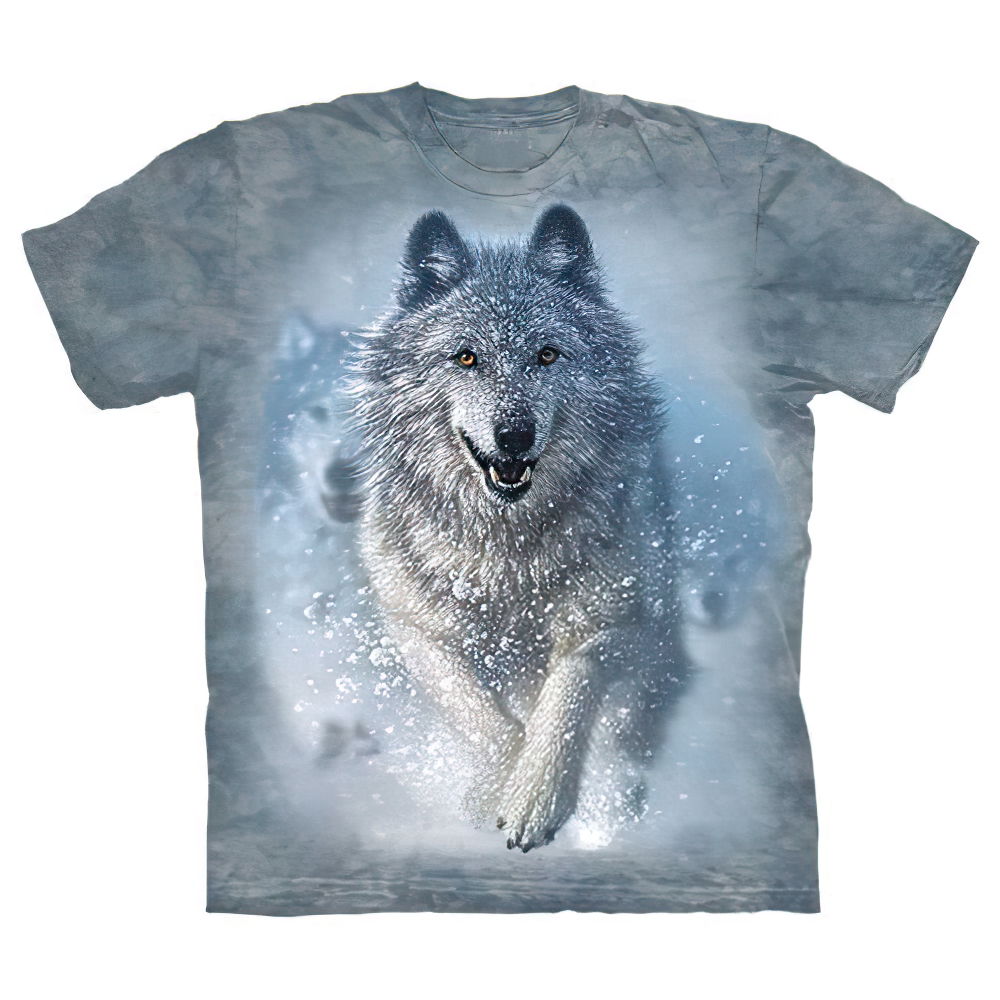
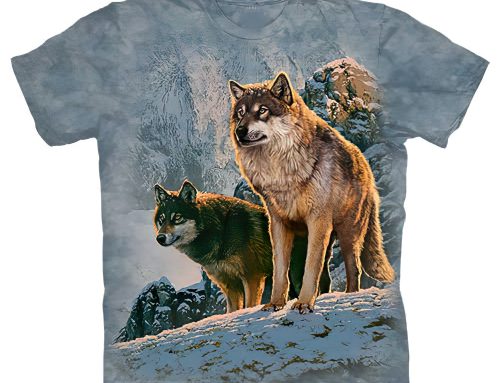
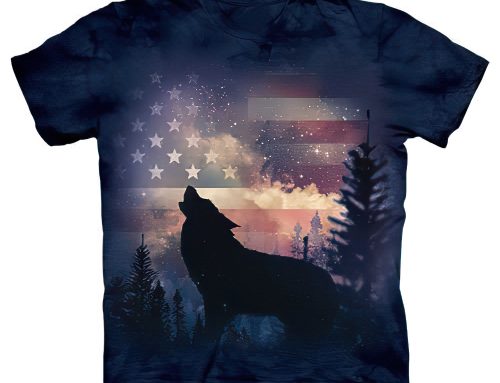
Check out our huge selection of animal t-shirts
Wolf Intelligence and Adaptability
Wolves are more than just fierce predators; they are highly intelligent animals with surprising adaptability.
Cognitive Skills and Problem Solving
Wolves have impressive cognitive skills. They can solve complex problems that many animals can’t. For instance, wolves have been observed working together to achieve a common goal, such as accessing food in difficult places. This ability to think critically and plan demonstrates their sharp intelligence. It’s no wonder they are seen as cunning creatures in folklore.
Their intelligence also shows in their social behavior. Wolves communicate complex ideas using their body language and vocalizations. This helps them solve problems as a group, making them successful hunters and survivors.
Learning from Experience
Wolves learn from their experiences, just like humans. Young wolves observe and mimic the adults in their pack. This learning process is crucial for their survival. By watching their elders, they pick up essential skills, like hunting and identifying safe territories.
Another fascinating aspect is how wolves learn from trial and error. They remember past mistakes and successes, which guides their future actions. This ability to adapt based on experience is a testament to their intelligence.
Adaptation to Environments
Wolves are known for their ability to adapt to various environments. Whether they are roaming through snowy tundras or dense forests, wolves can thrive under different conditions. This adaptability is why they are found across many parts of the world.
Their physical adaptations, like thick fur for cold climates, complement their mental acuity. Wolves adjust their hunting strategies based on the terrain and available prey, showcasing their capacity to survive and flourish in diverse settings.
Wolf Hunting Tactics
When it comes to hunting, wolves employ sophisticated tactics that highlight their intelligence and teamwork.
Strategic Pack Coordination
Wolves hunt in packs, using coordination to bring down prey. Each wolf has a role, and they rely on each other to succeed. This team-oriented approach allows them to take on larger animals that a single wolf couldn’t handle alone.
Their strategic planning is evident during hunts. Wolves communicate through subtle signals, ensuring everyone is in sync. This coordination is crucial for their hunting success and survival.
Stalking and Pursuit Techniques
Wolves are masters of stealth and strategy. They stalk their prey quietly, using the element of surprise to their advantage. Once they are close enough, they launch a coordinated pursuit, using their speed and endurance to wear down their target.
This methodical approach to hunting is a testament to their intelligence. Wolves carefully plan each move, considering wind direction and terrain to avoid detection.
The Role of Communication in Hunts
Communication is key during wolf hunts. Wolves use vocalizations and body signals to coordinate their efforts. These signals help them adjust their tactics in real-time, ensuring a successful hunt.
Their ability to communicate effectively is one reason wolves are such efficient predators. This skill allows them to adapt to changing circumstances and make quick decisions during a hunt.
Wolf Family Structure
The social structure of a wolf pack is complex and fascinating, with each member playing a specific role.
Pack Hierarchy and Roles
Wolves live in structured family units known as packs. At the top of the hierarchy are the alpha male and female, who lead the pack. Each member has a role, from hunting to caring for the young, contributing to the pack’s success.
This hierarchy ensures order and cooperation within the group. It also allows wolves to function efficiently during hunts and other activities.
Raising the Young
Raising young wolves is a collective effort. The entire pack contributes to caring for pups, providing food and protection. This cooperative approach ensures the survival of the next generation.
Young wolves learn essential skills by observing and interacting with pack members. This education is crucial for their development and future success.
Bonding and Cooperation
Bonding is vital in wolf packs. Strong social bonds lead to better cooperation and harmony. Wolves spend time playing and grooming each other, strengthening their relationships.
These bonds ensure the pack functions smoothly, with each member willing to support and defend one another. This cooperation is a key factor in their survival and success.
Communication and Social Systems
Communication is at the heart of wolf social systems. Wolves use various methods to convey messages and maintain pack harmony.
Vocalizations and Their Meanings
Wolves communicate through howls, growls, and whines. Each sound has a specific meaning, from signaling danger to coordinating hunts. Howling is particularly important, as it helps keep the pack connected over long distances.
Understanding these vocalizations is crucial for maintaining pack unity. They help wolves convey emotions and intentions, ensuring everyone is on the same page.
Body Language and Signals
In addition to vocalizations, wolves use body language to communicate. Their posture, tail position, and facial expressions convey a wide range of messages. This non-verbal communication helps maintain order and cooperation within the pack.
Observing these signals allows wolves to understand each other’s intentions and emotions. This understanding leads to better collaboration and harmony.
Maintaining Pack Harmony
Harmony within a pack is essential for survival. Wolves work hard to maintain peace and resolve conflicts quickly. This involves both vocal and non-verbal communication, ensuring everyone feels heard and understood.
By maintaining harmony, wolves can focus on their primary goals: hunting and survival. This peaceful coexistence is a testament to their intelligence and social skills.
Survival and Ecosystem Role
Wolves play a crucial role in maintaining the balance of their ecosystems.
Impact on Prey Populations
Wolves help control prey populations, preventing overgrazing and maintaining healthy ecosystems. By keeping these populations in check, wolves ensure that their environment remains balanced and sustainable.
This role is vital for the health of their habitats. Wolves indirectly support other species by maintaining the natural order.
Wolves as Ecosystem Engineers
Wolves are often called ecosystem engineers because of their impact on their surroundings. When wolves return to an area, they can change the landscape by altering prey behavior and vegetation growth.
This influence extends beyond their immediate environment. Wolves create a ripple effect, benefiting a wide range of species in their ecosystem.
Interactions with Other Predators
Wolves interact with other predators, like bears and coyotes, within their ecosystems. These interactions can be competitive, but they also contribute to the balance of nature.
By competing for resources, wolves help keep other predator populations in check. This balance is essential for the health and sustainability of their habitats.
Frequently Asked Questions
What makes wolves intelligent?
Wolves are intelligent due to their problem-solving abilities and social skills. They work together to solve complex challenges and communicate effectively within their packs.
How do wolves hunt in packs?
Wolves hunt in packs by coordinating their efforts. They use vocalizations and body signals to communicate, allowing them to plan and execute successful hunts.
Why are wolves important to ecosystems?
Wolves play a crucial role in maintaining ecosystem balance. They control prey populations, prevent overgrazing, and influence the behavior of other species.
How do wolves communicate within their packs?
Wolves communicate using vocalizations, body language, and facial expressions. These methods help them convey messages, maintain order, and resolve conflicts.
What is the social structure of a wolf pack?
A wolf pack is structured with an alpha male and female leading the group. Each member has a specific role, contributing to the pack’s success and survival.

Click here to see more animal shirts
30 Fascinating Wolf Facts: Unraveling the Mysteries of Wolf Intelligence and Social Systems
30 Fascinating Wolf Facts: Unraveling the Mysteries of Wolf Intelligence and Social Systems Wolves have a reputation that barely scratches the surface of their true nature. Their wolf intelligence and social systems reveal layers of complexity few expect. You’re about to uncover 30 fascinating wolf facts that shine light on their hunting tactics, family structure, […]

The Wild World of Tigers and Lions: A Closer Look at Their Habitats and Behaviors
The Wild World of Tigers and Lions: A Closer Look at Their Habitats and Behaviors Forget the simple question of which big cat reigns supreme. When you look beyond the roar, the story of tigers and lions gets far more complex. This big cats comparison reveals surprising differences in size, behavior, and habitats that shape […]

40 Surprising Cat Facts: Unveiling the Mysteries Behind Your Feline Friends
40 Surprising Cat Facts: Unveiling the Mysteries Behind Your Feline Friends You think you know your cat, but some of their traits will catch you off guard. Their night vision and hearing work in ways few people understand. Their whiskers do more than just look cute, and their sleeping habits reveal a secret side of […]
Canine Communication Decoded: The Charming World of Dog Head Tilts
Canine Communication Decoded: The Charming World of Dog Head Tilts Dogs tilt their heads when you talk to them more often than you might realize, and it’s more than just a charming habit. This subtle gesture reveals a lot about canine communication and how dogs try to make sense of the sounds and emotions you […]

Find the Perfect Wolf-Themed Gift: 25 Inspiring Ideas for Wolf Lovers
Find the Perfect Wolf-Themed Gift: 25 Inspiring Ideas for Wolf Lovers Finding a gift that truly captures a wolf lover’s passion can feel like searching for a needle in a haystack. You want something that reflects their connection to wolves, not just another generic present. This list of 25 wolf-themed gifts, including eye-catching wolf shirts […]

Fascinating Dog Facts: Uncover the Secrets of Canine Senses and Behavior
Fascinating Dog Facts: Uncover the Secrets of Canine Senses and Behavior Most people think they know dogs, but the truth about canine senses and behavior surprises even the biggest dog lovers. Your dog’s nose can detect diseases you wouldn’t expect, and their social habits reveal a complex intelligence shaped by thousands of years with humans. […]
Alligators – Aquatic – Bears – Big Cats – Birds – Buffalo – Cats – Deer – Dinosaurs – Dogs – Dragons – Eagles – Elephants – Elk – Frogs – Gecko – Giraffes – Horses – Kittens – Moose – Pandas – Snakes – Tigers – Unicorns – Wolves – Cat Shirts – Celtic – Dog Shirts – Dolphins – Dragons – Eagles – Fairies – Horse Shirts – Misc – Native American Indians – Patriotic – Peace – Primates – Religion – Scary – Sci Fi – Skeletons – Tie Dye – Tigers – Wolf Shirts

Leave A Comment
You must be logged in to post a comment.