
Why Does My Dog Lick Me? Understanding Dog Licking Behavior
Your dog licks you more than you expect, and it’s not just about showing love. This common dog licking behavior holds clues about how your pet communicates, seeks attention, or even signals stress and health concerns. Understanding the reasons dogs lick can change how you see this habit and help you respond in ways that support your dog’s well-being. Let’s explore what’s really behind those wet, persistent kisses.
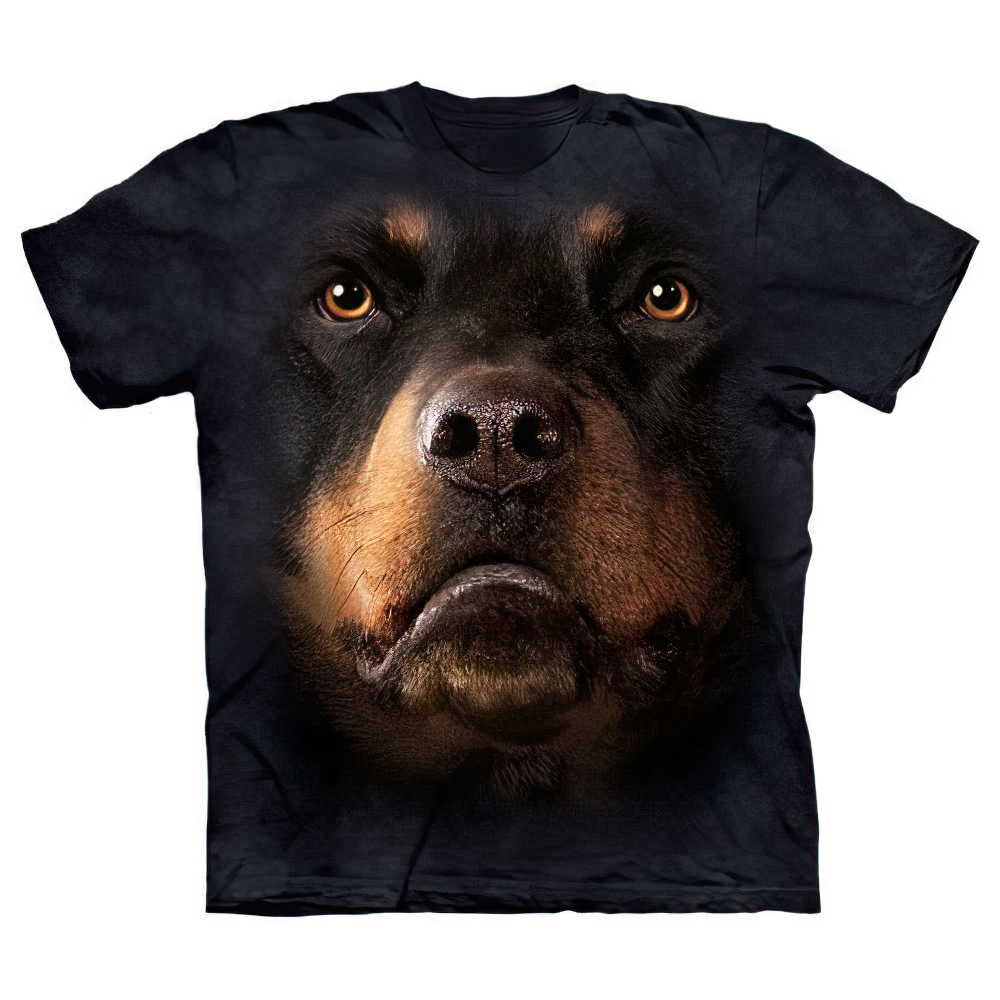
Have you seen our selection of beautiful dog t-shirts?
Understanding Dog Licking Behavior
Exploring the reasons behind your dog’s licking habits can offer valuable insights. This behavior is more than just a quirk, revealing much about how your dog sees the world and interacts with you.
Communication Through Licking
Licking serves as a primary language for dogs. They might lick to greet you, much like a handshake or a hug. Dogs also use licking to gather information. The taste of your skin can tell them where you’ve been and even how you’re feeling. By understanding this form of communication, you can better interpret your dog’s needs and moods.
Most people think dogs only lick for affection, but there’s more to it. Some dogs lick to show submission, especially when meeting new people or animals. Others might lick to establish their territory. Recognizing these signs can help you respond appropriately, whether it’s reassuring a nervous pup or setting boundaries with a more assertive one.
Affectionate Dog Habits Explained
Dog licking is often a sign of love. When your dog licks you, it releases endorphins that make them feel happy and calm. This behavior starts early in life when puppies lick their mothers and siblings. It’s a way of bonding and establishing trust within the pack.
To make the most of this affectionate behavior, you can encourage your dog by responding with petting or verbal praise. Just like humans, dogs need positive reinforcement to feel secure. By reciprocating their affection, you strengthen your bond and create a loving environment where your dog feels safe and understood.
Seeking Attention and Comfort
Dogs might lick to grab your attention. If your dog feels ignored, they might resort to licking to remind you they’re there. It’s their way of saying, “Pay attention to me!” This is especially common in dogs that spend long hours alone or lack mental stimulation.
If your dog uses licking to seek comfort, it’s important to address their needs. Providing toys, interactive games, or more outdoor playtime can reduce their need for constant attention. By understanding and adjusting to their emotional cues, you can help your dog feel more content and secure in their environment.

You will love our cute dog shirts!
Reasons Dogs Lick
Understanding the reasons behind why your dog licks can lead to a healthier relationship with your furry friend. Let’s dive into some common motivators for this characteristic behavior.
Expressing Love and Bonding
One of the most heartwarming reasons dogs lick is to show love. They see you as part of their pack and want to express their affection. This behavior is instinctual, rooted in the way dogs interact with each other in the wild. Just like humans, dogs form bonds with family members, and licking is a way of reinforcing those ties.
When your dog licks you, it’s a sign of trust and loyalty. Respond with gentle words or a favorite treat to let them know their love is reciprocated. This interaction not only strengthens your bond but also builds a sense of security and belonging for your dog.
Indicating Hunger or Thirst
Licking can sometimes signal a need for food or water. If your dog licks you and then heads to their bowl, it might be their way of communicating they’re hungry or thirsty. Dogs often use licking to alert their owners to their needs, especially if their routine has been disrupted.
Keep an eye on your dog’s feeding schedule and make sure they have access to fresh water at all times. By meeting their basic needs promptly, you prevent frustration and help your dog feel more relaxed and content.
Grooming and Cleaning Instincts
Grooming is another reason dogs lick. In the wild, dogs groom each other as a social activity. Your dog might lick you to keep you clean, similar to how they would care for a fellow pack member. This behavior is not only about cleanliness but also about showing care and attention.
If your dog exhibits this grooming behavior, it’s a sign they see you as part of their family. While it might seem odd, it’s actually a compliment. You can acknowledge this by giving them some extra attention or a special treat, reinforcing their positive behavior.
Canine Anxiety and Licking
Licking isn’t always about affection or communication. Sometimes, excessive licking can indicate anxiety. Understanding this connection can help you address your dog’s emotional needs effectively.
Signs of Anxiety in Dogs
Anxiety in dogs can manifest as excessive licking. This behavior often occurs when dogs are left alone or during stressful situations like thunderstorms. Licking helps them self-soothe and feel more in control. Watch for other signs of anxiety, such as pacing, whining, or destructive behavior.
Most people think licking is harmless, but if it’s accompanied by these signs, it might be time to take action. Consider consulting a professional for guidance on how to manage your dog’s anxiety and create a more relaxed environment for them.
Managing Stress in Pets
Managing your dog’s stress is crucial for their well-being. Start by identifying triggers. Is your dog stressed by loud noises, changes in routine, or being left alone? Once you know the cause, you can work on reducing their anxiety. Providing a quiet, safe space or using calming aids like pheromone diffusers can help.
Creating a predictable routine with regular walks and playtime can also alleviate stress. When your dog knows what to expect, they feel more secure and less prone to anxiety-driven licking.
Importance of Routine and Stability
Dogs thrive on routine. A stable environment helps them feel safe and reduces anxiety. Make sure to feed, walk, and play with your dog at the same times each day. Consistency provides comfort and can minimize stress-related behaviors like excessive licking.
By establishing a predictable schedule, your dog will feel more relaxed and secure. This stability not only curbs anxiety but also strengthens their bond with you, knowing they can rely on you for their daily needs.
Health Issues in Dogs
Sometimes, licking is more than just a habit. It can signal underlying health issues that need attention. Being aware of these signs can help you take action before minor issues develop into major problems.
Allergies and Skin Irritations
Dogs often lick themselves when they have allergies or skin irritations. If your dog is licking a specific area repeatedly, it might be because it’s itchy or uncomfortable. Common allergens include pollen, dust mites, or certain foods.
To address these issues, consult your vet for a proper diagnosis. They can recommend treatments such as special shampoos, medications, or diet changes. By tackling the root cause, you can reduce your dog’s discomfort and prevent further complications.
Recognizing Pain or Discomfort
Licking can also be a response to pain or discomfort. If your dog suddenly starts licking excessively, it might indicate an injury or internal issue. Pay attention to any changes in your dog’s behavior or physical condition.
If you suspect pain, consult your veterinarian immediately. Early diagnosis and treatment can prevent small problems from becoming serious health issues. Your vet can guide you on the best course of action to ensure your dog’s well-being.
When to Consult a Vet
Knowing when to consult a vet is crucial. If your dog’s licking is persistent and doesn’t improve with basic interventions, it’s time to seek professional help. A vet can conduct a thorough examination to rule out underlying health problems.
Regular check-ups can catch potential issues early, ensuring your dog stays healthy and happy. By being proactive, you can address health concerns before they escalate, giving your dog the best chance at a long, healthy life.
Strengthening the Human-Dog Bond
Licking is just one way dogs express their love, but there are many ways to strengthen your relationship with your furry friend. Understanding and responding to their needs can create a lifelong bond.
Positive Reinforcement Techniques
Positive reinforcement is key to training and bonding. Reward your dog for good behavior with treats, praise, or playtime. This approach encourages them to repeat positive actions and strengthens your connection.
Most people think dogs need punishment for bad behavior, but positive reinforcement is more effective. It builds trust and confidence, making your dog more eager to please and learn.
Encouraging Healthy Habits
Encouraging healthy habits is essential for your dog’s well-being. Regular exercise, a balanced diet, and routine vet visits keep your dog in top shape. These habits not only improve their physical health but also their mental well-being, reducing stress-related behaviors like excessive licking.
By promoting a healthy lifestyle, you show your dog how much you care. This commitment to their health solidifies your bond and ensures they’re happy and content.
Building Trust and Understanding
Building trust with your dog takes time and patience. Understanding their unique personality and needs is crucial. Spend quality time together, learn their likes and dislikes, and communicate effectively.
As you deepen your understanding, your dog will trust you more, leading to a stronger, more fulfilling relationship. Your dog will feel secure and loved, knowing they can rely on you for comfort and care.
In conclusion, understanding why your dog licks is key to nurturing a healthy and happy relationship. By recognizing the various reasons behind this behavior and responding appropriately, you can enhance your bond and ensure your dog’s emotional and physical well-being.
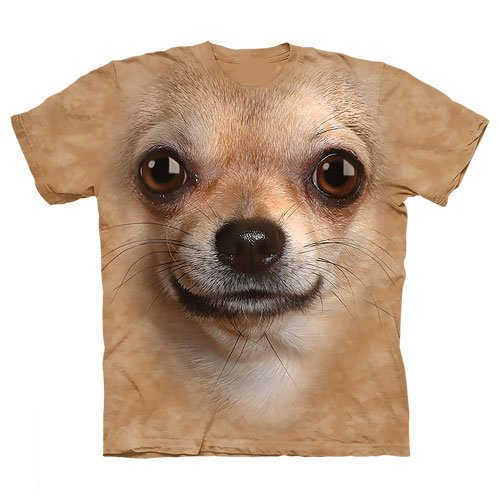
Feel free to visit our entire selection of animal shirts
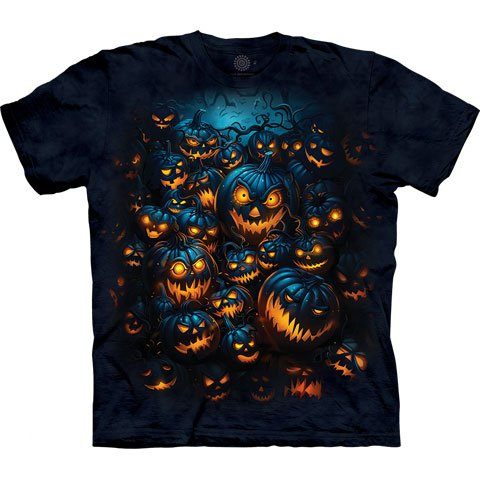
The Ultimate Halloween Animal Shirt Gift Guide
The Ultimate Halloween Animal Shirt Gift Guide Halloween is just around the corner, and finding the perfect gift for animal lovers can feel like a challenge. You want something that captures spooky fun without losing that adorable animal charm. This Halloween animal shirt gift guide offers a handpicked selection of cute Halloween shirts featuring playful […]
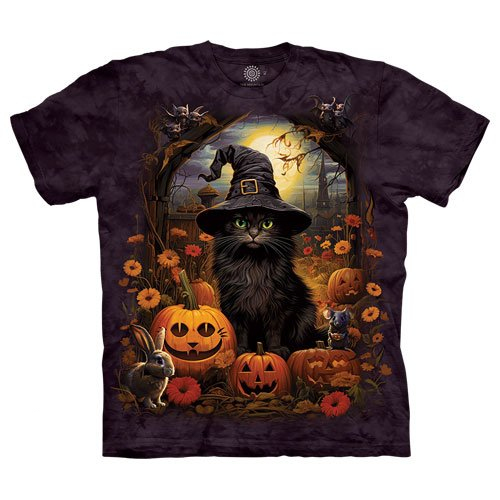
30 Funny Halloween Animal T-Shirts You’ll Want to Wear This October
30 Funny Halloween Animal T-Shirts You’ll Want to Wear This October Funny Halloween T-shirts rarely get the spotlight they deserve. Most Halloween outfits stick to the usual spooky clichés, leaving little room for personality. This collection of quirky T-shirt designs combines spooky animal apparel with a playful twist, perfect for your October fashion lineup. From […]
25 Spooky Animal T-Shirt Ideas for Halloween
25 Spooky Animal T-Shirt Ideas for Halloween Most Halloween t-shirts blend spooky and silly, but finding spooky animal shirts that truly stand out can be tricky. If you’re an animal lover who wants to show off your passion while capturing the Halloween vibe, these pet costume t-shirts offer the perfect mix. Keep reading to see […]
What to Wear to a Halloween Party: Animal-Themed T-Shirt Ideas
What to Wear to a Halloween Party: Animal-Themed T-Shirt Ideas Forget everything you know about Halloween costumes. You don’t need a full outfit to stand out at your next party. With the right Halloween animal t-shirts, you can mix comfort and style while showing off your love for animals. Let’s explore some clever costume shirt […]
The Best Halloween Shirts for Dog Moms and Dog Dads
The Best Halloween Shirts for Dog Moms and Dog Dads Halloween is the perfect time to show off your love for your furry friend, but finding the right Halloween dog shirts can be tricky. You want something that blends spooky fun with your role as a proud dog mom or dad. This post lines up […]
20 Halloween Animal Shirts That Are Perfect for Trick-or-Treating
20 Halloween Animal Shirts That Are Perfect for Trick-or-Treating Trick-or-treating outfits don’t have to be scary or complicated to stand out. These 20 Halloween animal shirts mix playful charm with just the right spooky touch, perfect for kids and adults ready to celebrate. From cartoon animal shirts to cozy Halloween shirts for trick or treating, […]


Leave A Comment
You must be logged in to post a comment.