
Pet Health Tips: Balancing Bath Time and Skin Care for Your Beloved Dog
Most dog owners ask the same question: how often should you bathe a dog? It’s not just about keeping your pet clean; getting the timing right impacts their skin and coat health too. This guide breaks down dog bathing frequency based on breed, coat type, activity, and skin needs so you can build a routine that fits your furry friend perfectly. For more details on how often to bathe a dog, check out this helpful resource.
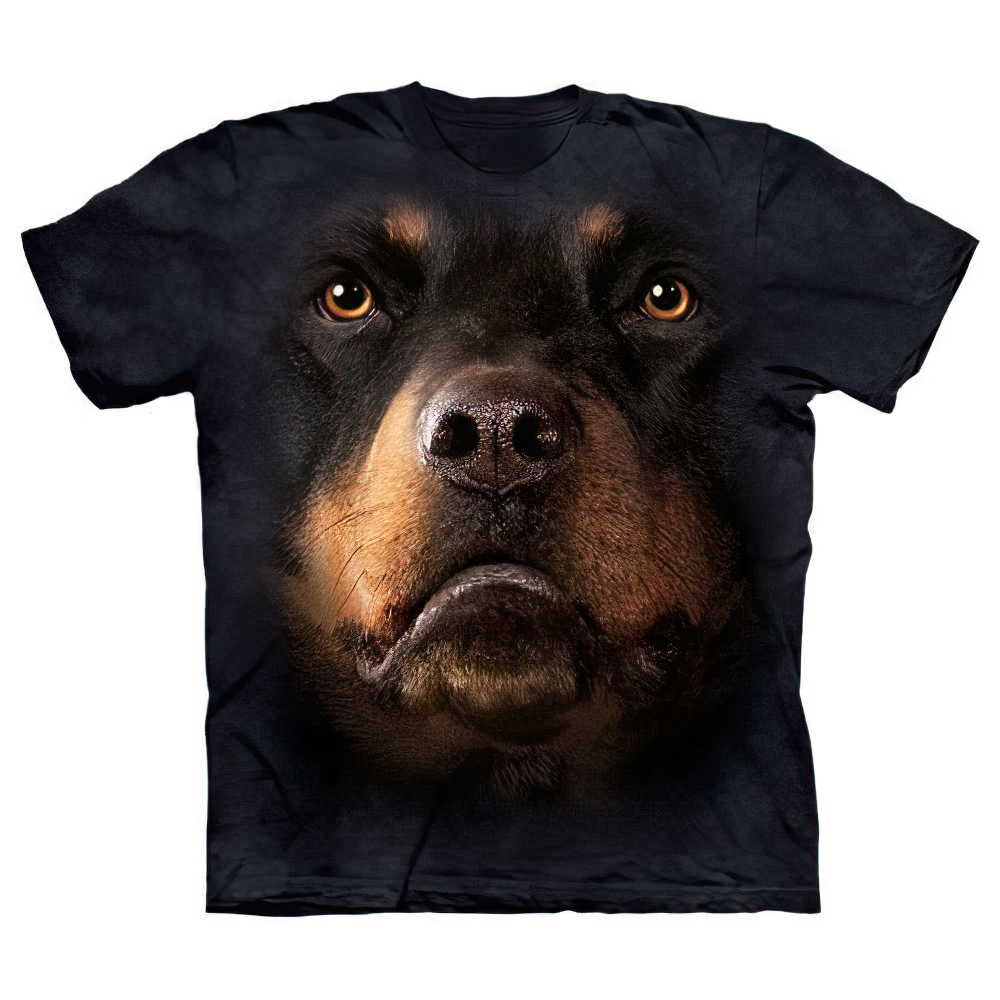
Have you seen our selection of beautiful dog t-shirts?
Understanding Dog Bathing Frequency
When it comes to your dog’s bathing schedule, several factors come into play. Let’s explore what determines how often your furry friend needs a bath.
Factors Influencing Bathing Needs
Bathing frequency varies based on a few key aspects. First, consider your dog’s lifestyle. Dogs that love outdoor adventures might need more frequent baths. If your dog rolls in dirt or has a knack for finding mud, more regular cleaning is crucial.
Skin type also plays a role. A dog with sensitive skin may benefit from fewer baths to avoid irritation. Skin health is important, and over-bathing can strip natural oils. If you notice dry skin, it might be time to adjust the schedule. For more insights, visit Thera-Clean’s guide on dog bathing.
Breed and Coat Type Considerations
Different breeds have unique needs. For instance, a thick-coated dog like a Husky might require less frequent baths compared to a short-haired breed. The type of fur can determine how often they need grooming.
Dogs with double coats shed naturally, reducing the need for baths. On the other hand, a dog with hair instead of fur, like a Poodle, needs regular grooming. Understanding breed-specific needs helps maintain a healthy coat. Discover more at Poconos Barking Lot.
How Often to Bathe a Dog
You might wonder how activity levels affect bath time. Let’s dig deeper into how your dog’s daily life influences their grooming schedule.
Activity Level Impact
Active dogs often get dirtier. If your dog enjoys long hikes or frequent trips to the park, they might need more baths. Regular cleaning helps manage dirt and odors, keeping them fresh and clean.
For less active dogs, a monthly bath might suffice. It’s about balancing cleanliness with maintaining natural oils in their fur. If you’re unsure, consider your dog’s typical day-to-day activities. More tips can be found on Reddit’s dog community.
Addressing Skin Conditions
Some dogs have skin conditions needing special care. If your pet has allergies or dermatitis, consult your vet on the best bathing routine. Special shampoos might be required.
Using the right products can soothe skin and keep irritation at bay. Regular checks for signs of discomfort are essential. If your dog scratches frequently, it might be time for a bath with medicated shampoo.

You will love our cute dog shirts!
Essential Dog Grooming Tips
Beyond frequency, knowing how to groom properly is key. Let’s dive into selecting products and techniques for making bath time a breeze.
Choosing the Right Products
Pick shampoos designed for dogs. Human products can harm their skin. Look for gentle, moisturizing options. If your pet has specific needs, consult your vet for recommendations.
Choose conditioners to maintain a shiny coat. Regular grooming with the right products supports skin health. Remember: always avoid harsh chemicals or strong fragrances.
Techniques for a Stress-Free Bath
Make bath time positive. Use treats and praise to encourage good behavior. Start by gently brushing their coat to remove loose fur.
Ensure water temperature is comfortable, not too hot or cold. Wet the coat thoroughly before applying shampoo. Rinse well to avoid residue. Patience and calmness go a long way in making bath time enjoyable.
Dog Hygiene and Health Benefits
Regular grooming isn’t just about appearance. It contributes to overall health. Let’s look at the benefits of keeping your dog clean.
Preventing Skin Issues
Baths help prevent skin infections. Removing dirt reduces bacteria and fungi growth. Clean fur supports healthy skin, reducing the risk of health issues.
Regular grooming sessions allow you to spot problems early. If you notice anything unusual, consult your vet promptly. Prevention is always better than cure.
Enhancing Coat Health
A well-groomed dog has a vibrant coat. Shiny fur indicates good health. Regular brushing and occasional baths keep the coat looking its best.
Proper grooming also prevents matting and tangles, which can lead to discomfort. Maintain a regular grooming routine for a happier, healthier pet.
Creating a Bathing Dog Guide
Now that you understand the basics, let’s set up a home spa and routine for optimal care.
Setting Up a Home Spa
Transform bath time into a spa experience for your dog. Gather essentials: towels, shampoo, and a brush. Keep treats handy to reward good behavior.
Create a calming environment. Use a non-slip mat to prevent accidents. Speak softly and reassure your pet throughout the bath.
Maintaining a Routine for Optimal Care
Consistency is key in dog grooming. Establish a schedule that fits their needs and stick to it. Regular baths and brushing keep your pet comfortable and clean.
Review your routine periodically. Adjust based on changes in activity or health. With the right approach, your dog will enjoy the benefits of a well-maintained grooming schedule. For more information, check out Green Paws Chicago’s advice on dog bathing.
By understanding your dog’s specific needs and following these tips, you can ensure they enjoy a happy and healthy life. Regular grooming is a critical part of their well-being, and now you’re equipped to make the best decisions for your furry friend.

Feel free to visit our entire selection of animal shirts

The Ultimate Halloween Animal Shirt Gift Guide
The Ultimate Halloween Animal Shirt Gift Guide Halloween is just around the corner, and finding the perfect gift for animal lovers can feel like a challenge. You want something that captures spooky fun without losing that adorable animal charm. This Halloween animal shirt gift guide offers a handpicked selection of cute Halloween shirts featuring playful […]

30 Funny Halloween Animal T-Shirts You’ll Want to Wear This October
30 Funny Halloween Animal T-Shirts You’ll Want to Wear This October Funny Halloween T-shirts rarely get the spotlight they deserve. Most Halloween outfits stick to the usual spooky clichés, leaving little room for personality. This collection of quirky T-shirt designs combines spooky animal apparel with a playful twist, perfect for your October fashion lineup. From […]
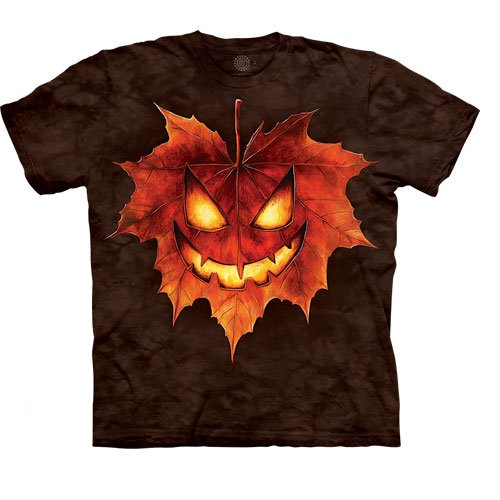
25 Spooky Animal T-Shirt Ideas for Halloween
25 Spooky Animal T-Shirt Ideas for Halloween Most Halloween t-shirts blend spooky and silly, but finding spooky animal shirts that truly stand out can be tricky. If you’re an animal lover who wants to show off your passion while capturing the Halloween vibe, these pet costume t-shirts offer the perfect mix. Keep reading to see […]
What to Wear to a Halloween Party: Animal-Themed T-Shirt Ideas
What to Wear to a Halloween Party: Animal-Themed T-Shirt Ideas Forget everything you know about Halloween costumes. You don’t need a full outfit to stand out at your next party. With the right Halloween animal t-shirts, you can mix comfort and style while showing off your love for animals. Let’s explore some clever costume shirt […]
The Best Halloween Shirts for Dog Moms and Dog Dads
The Best Halloween Shirts for Dog Moms and Dog Dads Halloween is the perfect time to show off your love for your furry friend, but finding the right Halloween dog shirts can be tricky. You want something that blends spooky fun with your role as a proud dog mom or dad. This post lines up […]
20 Halloween Animal Shirts That Are Perfect for Trick-or-Treating
20 Halloween Animal Shirts That Are Perfect for Trick-or-Treating Trick-or-treating outfits don’t have to be scary or complicated to stand out. These 20 Halloween animal shirts mix playful charm with just the right spooky touch, perfect for kids and adults ready to celebrate. From cartoon animal shirts to cozy Halloween shirts for trick or treating, […]



Leave A Comment
You must be logged in to post a comment.