
From Boredom to Play: What Drives Dogs Chasing Tails
Watching your dog spin after its own tail is more than just funny dog antics. This puzzling behavior can signal everything from instinct to boredom in dogs or even dog anxiety. Understanding why dogs chase tails helps you spot what your furry friend really needs. Let’s explore what drives this curious dog behavior and how you can keep your pup happy and engaged. For more insights, check out this article.
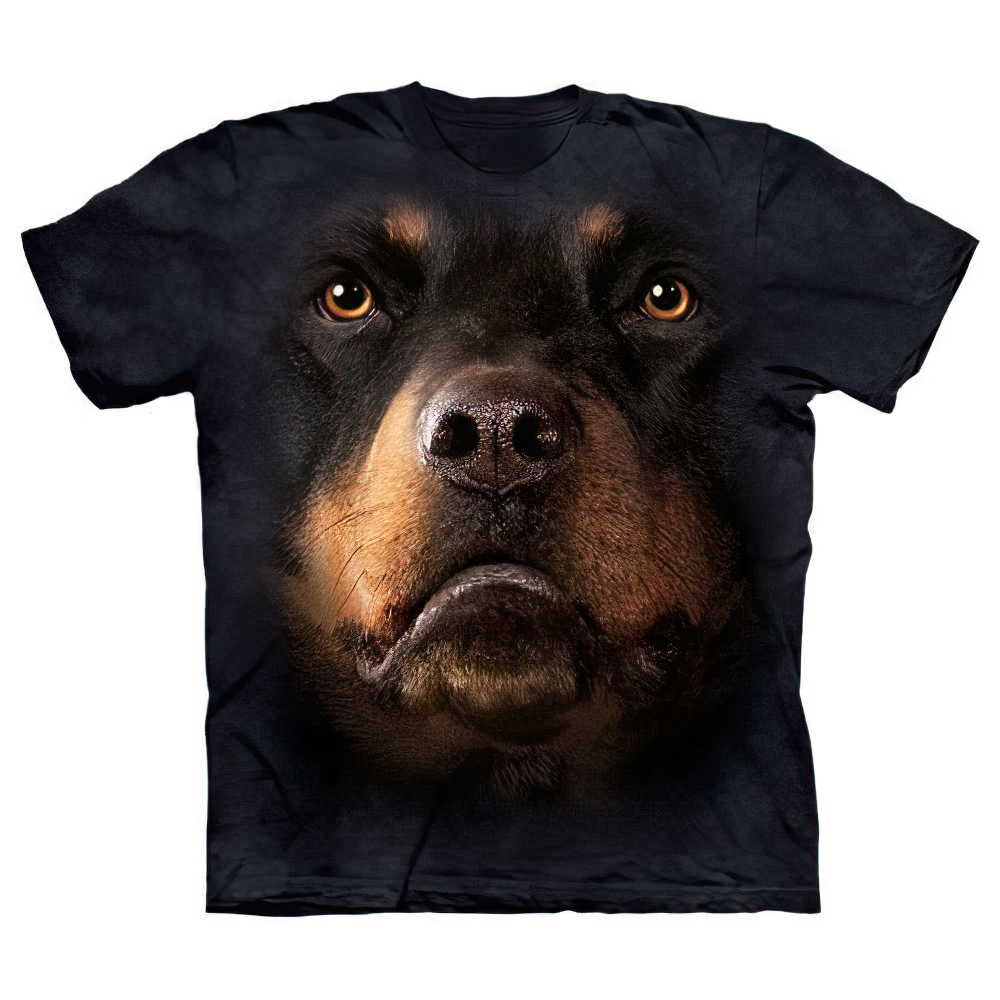
Have you seen our selection of beautiful dog t-shirts?
Understanding Tail Chasing
Understanding why dogs chase their tails is key to addressing this behavior. It often starts with instinctual behaviors embedded in your dog’s nature.
Instinctual Behaviors in Dogs
At a glance, your dog chasing its tail might seem like simple play. Yet, it can be rooted in instincts. Dogs, like wolves, retain behaviors that helped their ancestors survive. Chasing tails can be a way to practice hunting skills. This can happen especially in puppies, who are learning about their bodies and surroundings.
In addition to hunting instincts, dogs may chase their tails to release pent-up energy. If your dog has been resting or hasn’t had enough exercise, a tail chase can be a quick way to burn off energy. But not all tail-chasing is about instincts or exercise. Sometimes it’s just about having fun.
Common Mistakes Dog Owners Make
Dog owners often misunderstand tail-chasing and either ignore it or overreact. One common mistake is thinking it’s always a sign of a problem. While it can signal boredom or anxiety, it often is just play. Another mistake is encouraging the behavior by laughing or giving attention. This reinforcement can make your dog chase its tail more often. Instead, observe and assess when it’s happening.
You should also avoid punishing your dog for tail-chasing. This can lead to confusion and may worsen any underlying issues. Instead, focus on understanding the context and addressing any potential causes, like boredom or anxiety, with appropriate actions.
The Role of Boredom in Dogs
Boredom in dogs is a significant factor in tail-chasing. When dogs lack mental and physical activity, they look for ways to entertain themselves. This is where tail-chasing comes into play.

You will love our cute dog shirts!
Signs of Boredom in Dogs
Recognizing boredom in dogs is crucial. A bored dog may display various behaviors beyond tail-chasing. Excessive barking, digging, or chewing on furniture are common signs. These behaviors can indicate that your dog needs more mental or physical stimulation.
Another sign is restlessness. If your dog paces or seems unable to settle, it might be bored. Keep an eye on these cues to determine if your dog needs more activity. Once you identify these signs, you can take steps to address them.
Effective Dog Training Tips
Addressing boredom involves effective dog training. Start by introducing regular play sessions. Interactive toys that challenge your dog can keep it entertained. Puzzle toys that dispense treats can be a great choice, as they combine play with mental engagement.
Training sessions can also provide stimulation. Teach your dog new tricks to keep its mind active. This doesn’t just alleviate boredom; it strengthens your bond with your dog. Consistent training and play can reduce boredom-related behaviors, including tail-chasing.
Anxiety and Its Effects
Anxiety in dogs can lead to various behaviors, including tail-chasing. Understanding anxiety and finding solutions is vital.
Dog Anxiety: Causes and Solutions
Several factors can cause dog anxiety. Loud noises, changes in the environment, or separation from you can trigger anxious behaviors. If you notice signs like whining, trembling, or aggression, anxiety might be the cause.
To help your dog, create a consistent routine. Dogs thrive on predictability. You can also try calming aids, like pheromone diffusers or anxiety wraps. If anxiety persists, consulting a vet for further advice might be necessary.
Creating a Calming Environment
Setting up a calming environment can ease anxiety. Designate a space in your home where your dog can feel secure. This could be a cozy corner with its bed and favorite toys. Music specifically composed for dogs can also help create a soothing atmosphere.
Provide plenty of positive experiences in this space. This will help your dog associate it with safety and comfort. With a calming environment, anxiety-driven tail-chasing can decrease over time.
The Playful Side of Tail Chasing
Not all tail-chasing is a concern. Let’s explore the playful antics that sometimes drive this behavior.
Funny Dog Antics Explained
Tail-chasing can be a dog’s way of having fun. Puppies and young dogs, in particular, enjoy this activity as a form of play. It’s a way for them to explore their bodies and test their agility. This post discusses how tail-chasing can often be playful.
These antics can be amusing to watch. Most people find it charming and harmless. Observing your dog’s body language can help you determine if it’s playing or if there’s another issue at play.
Safe Playtime Activities
To channel your dog’s playful energy into safe activities, try introducing games like fetch or tug-of-war. These games provide both mental and physical exercise. Rotating toys can keep playtime interesting and engaging for your dog.
Interactive playtime is not only fun but also strengthens your bond. Safe activities keep your dog entertained and reduce the need for tail-chasing as a form of play.
Ensuring a Happy, Stimulated Dog
Ensuring your dog is happy and well-stimulated prevents unwanted behaviors.
Mental Stimulation Techniques
Keeping your dog’s mind active is essential. Brain games, such as hide-and-seek with treats, encourage problem-solving. Teaching your dog a new trick every week is another great way to keep its mind sharp.
Incorporating variety in games and challenges is key. Dogs, like humans, appreciate novelty. Regularly changing the activities ensures sustained interest and excitement for your dog.
Promoting Healthy Dog Behavior
Promoting healthy dog behavior involves a mix of training, exercise, and attention. Regular walks and outdoor adventures are fundamental. These activities satisfy your dog’s need for exercise and exploration.
Positive reinforcement is critical. Praise and rewards for good behavior encourage your dog to repeat these actions. By focusing on these aspects, you can foster a happy and well-behaved pet.
Understanding the motivations behind tail-chasing helps in creating a balanced and joyful environment for your dog. By addressing instinctual drives, boredom, and anxiety, you ensure your furry friend has a fulfilled life full of fun and learning.

Feel free to visit our entire selection of animal shirts

The Ultimate Halloween Animal Shirt Gift Guide
The Ultimate Halloween Animal Shirt Gift Guide Halloween is just around the corner, and finding the perfect gift for animal lovers can feel like a challenge. You want something that captures spooky fun without losing that adorable animal charm. This Halloween animal shirt gift guide offers a handpicked selection of cute Halloween shirts featuring playful […]
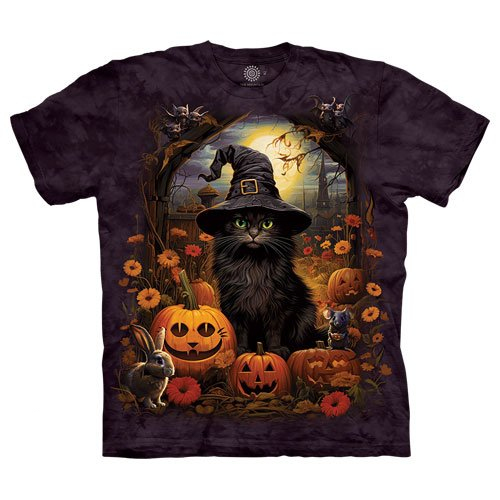
30 Funny Halloween Animal T-Shirts You’ll Want to Wear This October
30 Funny Halloween Animal T-Shirts You’ll Want to Wear This October Funny Halloween T-shirts rarely get the spotlight they deserve. Most Halloween outfits stick to the usual spooky clichés, leaving little room for personality. This collection of quirky T-shirt designs combines spooky animal apparel with a playful twist, perfect for your October fashion lineup. From […]

25 Spooky Animal T-Shirt Ideas for Halloween
25 Spooky Animal T-Shirt Ideas for Halloween Most Halloween t-shirts blend spooky and silly, but finding spooky animal shirts that truly stand out can be tricky. If you’re an animal lover who wants to show off your passion while capturing the Halloween vibe, these pet costume t-shirts offer the perfect mix. Keep reading to see […]
What to Wear to a Halloween Party: Animal-Themed T-Shirt Ideas
What to Wear to a Halloween Party: Animal-Themed T-Shirt Ideas Forget everything you know about Halloween costumes. You don’t need a full outfit to stand out at your next party. With the right Halloween animal t-shirts, you can mix comfort and style while showing off your love for animals. Let’s explore some clever costume shirt […]
The Best Halloween Shirts for Dog Moms and Dog Dads
The Best Halloween Shirts for Dog Moms and Dog Dads Halloween is the perfect time to show off your love for your furry friend, but finding the right Halloween dog shirts can be tricky. You want something that blends spooky fun with your role as a proud dog mom or dad. This post lines up […]
20 Halloween Animal Shirts That Are Perfect for Trick-or-Treating
20 Halloween Animal Shirts That Are Perfect for Trick-or-Treating Trick-or-treating outfits don’t have to be scary or complicated to stand out. These 20 Halloween animal shirts mix playful charm with just the right spooky touch, perfect for kids and adults ready to celebrate. From cartoon animal shirts to cozy Halloween shirts for trick or treating, […]


Leave A Comment
You must be logged in to post a comment.